News
News
Published on
2022 May 25Biodiversity Conservation Course — Edition 2
Introduction
The preservation of biodiversity and the fight against its threats and their multifaceted effects is currently a serious problem that concerns several countries around the world, including Benin. The Convention on Biological Diversity, which emerged from the Rio Global Summit in 1992 and ratified by almost all the States of the world, including Benin, testifies to this. The richness of the Beninese natural heritage and the threats to its future give Benin a particular responsibility in terms of biodiversity.
In order to provide a solution to the biodiversity crisis, the NGO SOS Biodiversity has initiated the “Course on Biodiversity Conservation (CBio)” project.
This project, which started in 2019, has the overall objective of training and strengthening the capacity of actors involved in the field of biodiversity conservation, sustainable management of natural resources and climate change.
Specifically, it aims to:
— Introduce citizen science to create primary biodiversity data
— Improve the collection of biodiversity data
— Improve knowledge of Geographic Information System tools
— Strengthen the conservation and sustainable management of biodiversity
In celebration of the World Biodiversity Day, which is held every May 22, the NGO SOS Biodiversity, in partnership with the Forest Sciences Laboratory and the NGO Géom @D, organized the second edition of the CBio project whose theme is entitled: Biodiversity conservation, challenges for the fight against climate change.
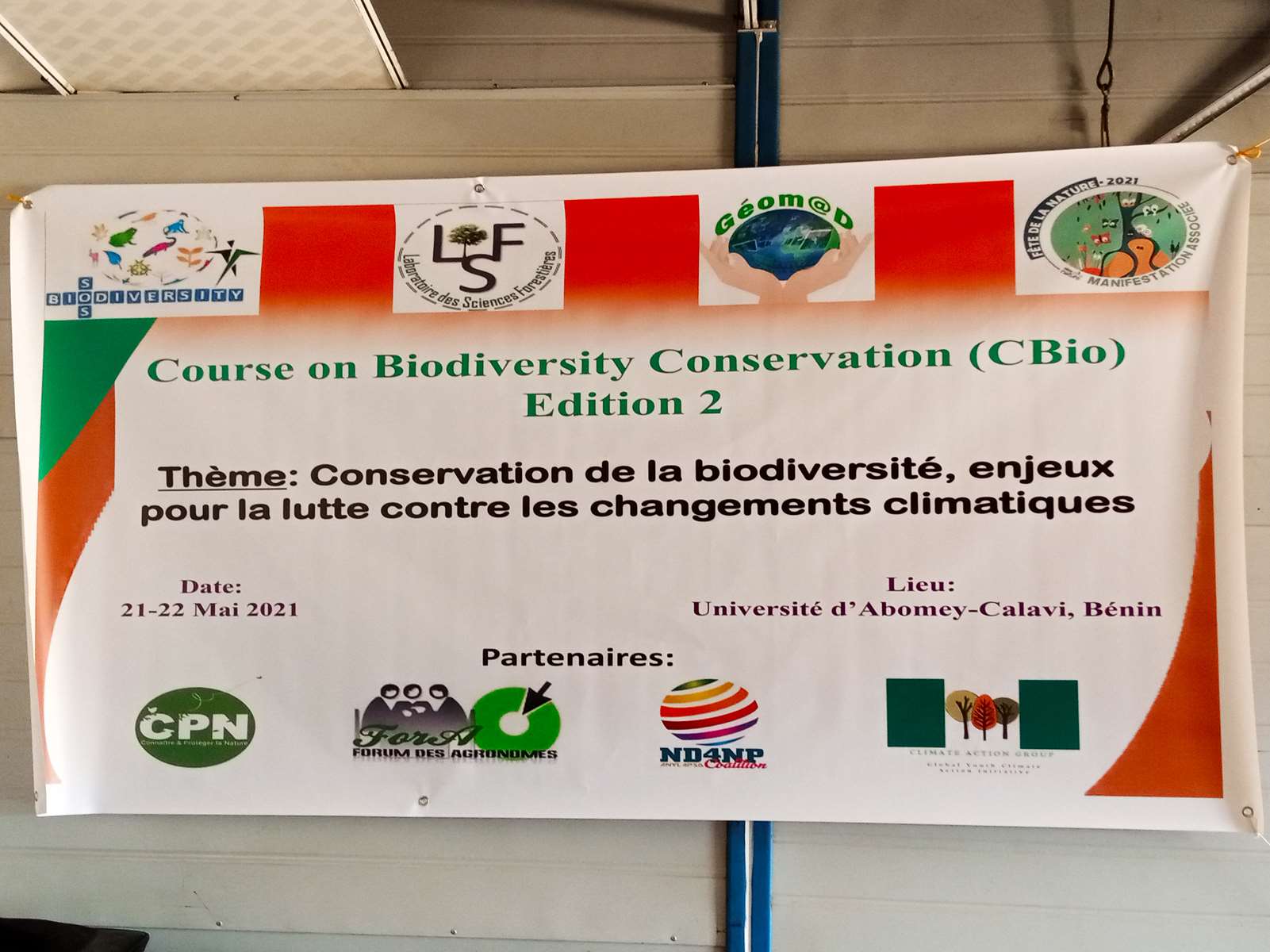
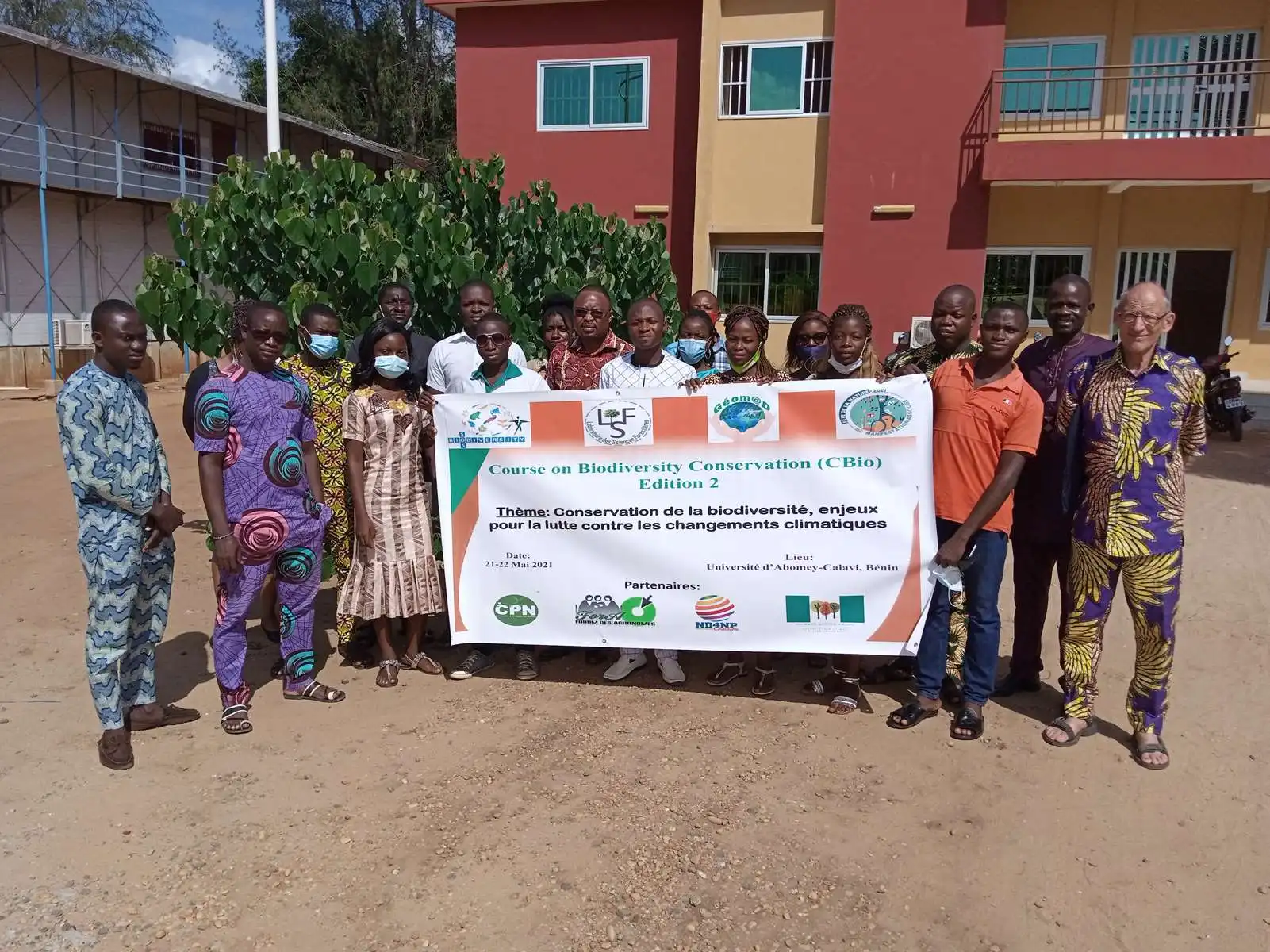
This workshop took place on 21 and 22 May 2021 at the University of Abomey-Calavi (UAC) and involved the participation of members of the NGO as well as that of any other person wishing to follow this training.
Opening of the workshop
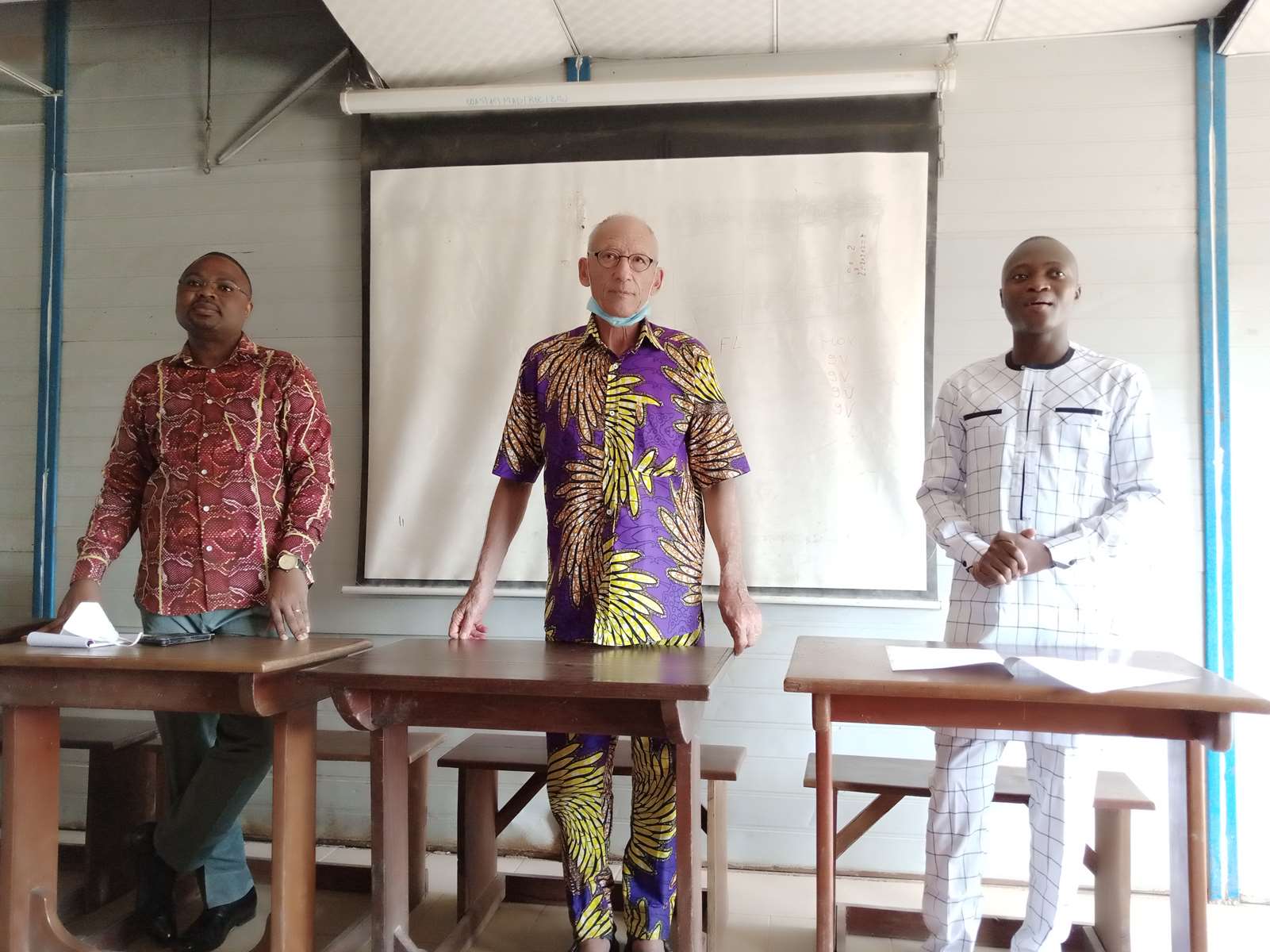
The workshop started with a few words of welcome from the President of SOS Biodiversity, Mr Sunday Berlioz KAKPO, Mr Sunday Berlioz KAKPO, Dr Peter NEUENSCHWANDER representing the Director of IITA, and Captain Raoul C.G. NOUMONVI, representing Water, Forests and Hunting. They thanked the participants who came from all over the world to take part in this training but also recalled that biodiversity was an issue that involves us all without exception and that individually each represents the solution. With these words, the workshop was officially launched.
Presentation of SOS Biodiversity
After the family photo was taken, the president gave a description of SOS Biodiversity. In his presentation, he referred to the context in which the NGO was created, its objectives, vision and mission as well as the various activities that lead to it. Thus SOS Biodiversity is defined as a center for reflection on the challenges of our planet such as deforestation and climate change. It is a non-profit Non-Governmental Organization whose general objective is to protect the environment, to sustainably manage and to value biodiversity. Specifically, SOS Biodiversity aims to conduct scientific research in order to contribute to the improvement of knowledge on biodiversity, to maintain food security through the conservation of forest and endogenous species, to restore, create and sustainably manage protected areas and finally to train and raise awareness among populations on topics relating to the protection of the environment and the sustainable management of its natural resources. Its vision is to conserve biodiversity and its mission is to carry out actions for the sustainable management and conservation of the environment. The NGO carries out its actions throughout the national territory. Among the SOS Biodiversity programs and projects, we have three pillar projects. This is the CBio (Course on Biodiversity Conservation) training program in which we are meeting today, the BEE project (Benin Environmental Education) and the 3V project (Living in a Green City).
Application of GIS to biodiversity management
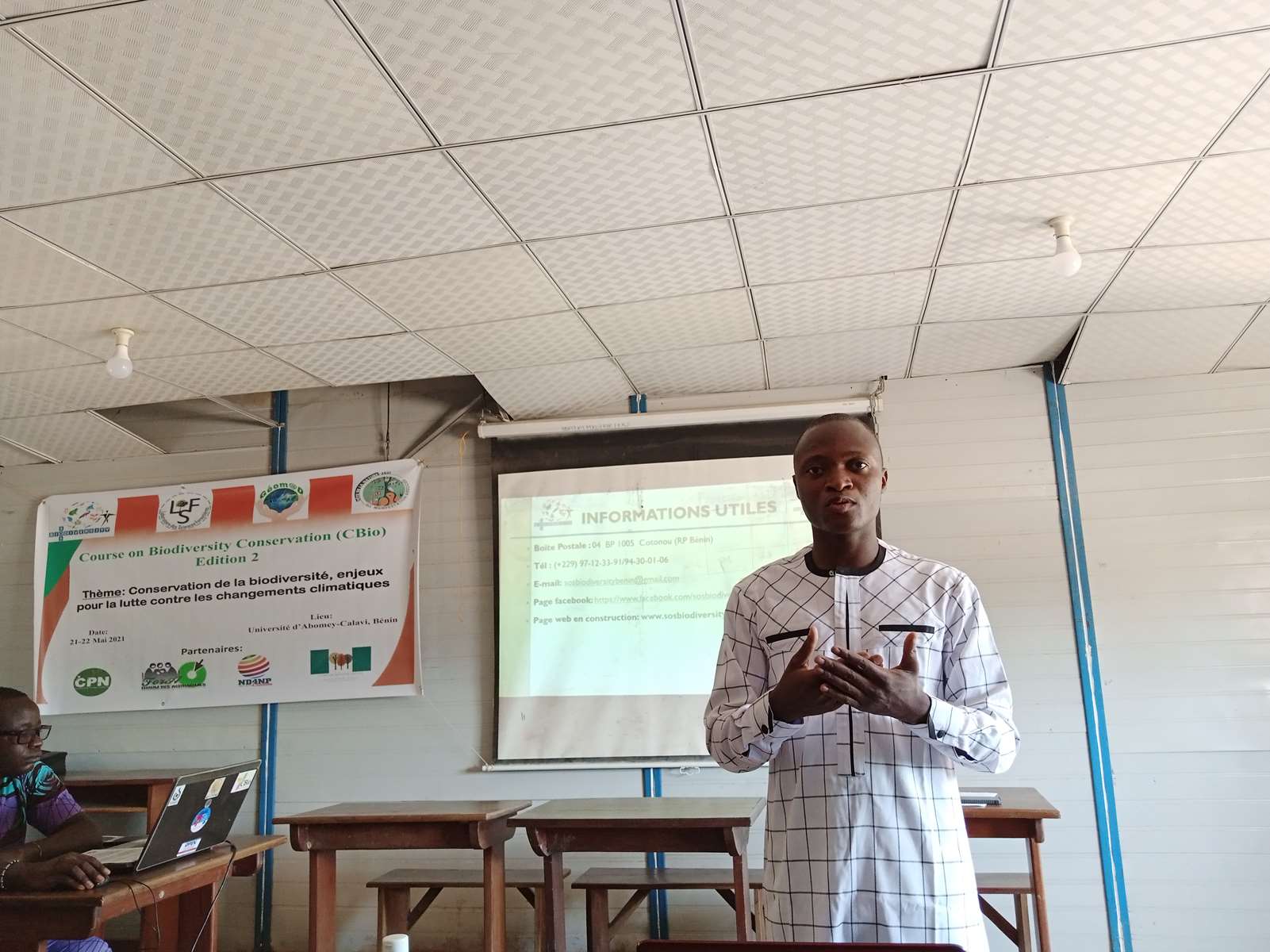
After presenting the workshop program, the president of the NGO invited Mr. Frédéric A. ABIODOUN for the course on the application of GIS. The latter gave training on various topics such as: the use of GPS, georeferencing and tracking, the transfer and visualization of recorded data, the creation of a vector layer and digitization of a map and the layout of a map.
Biodiversity challenges
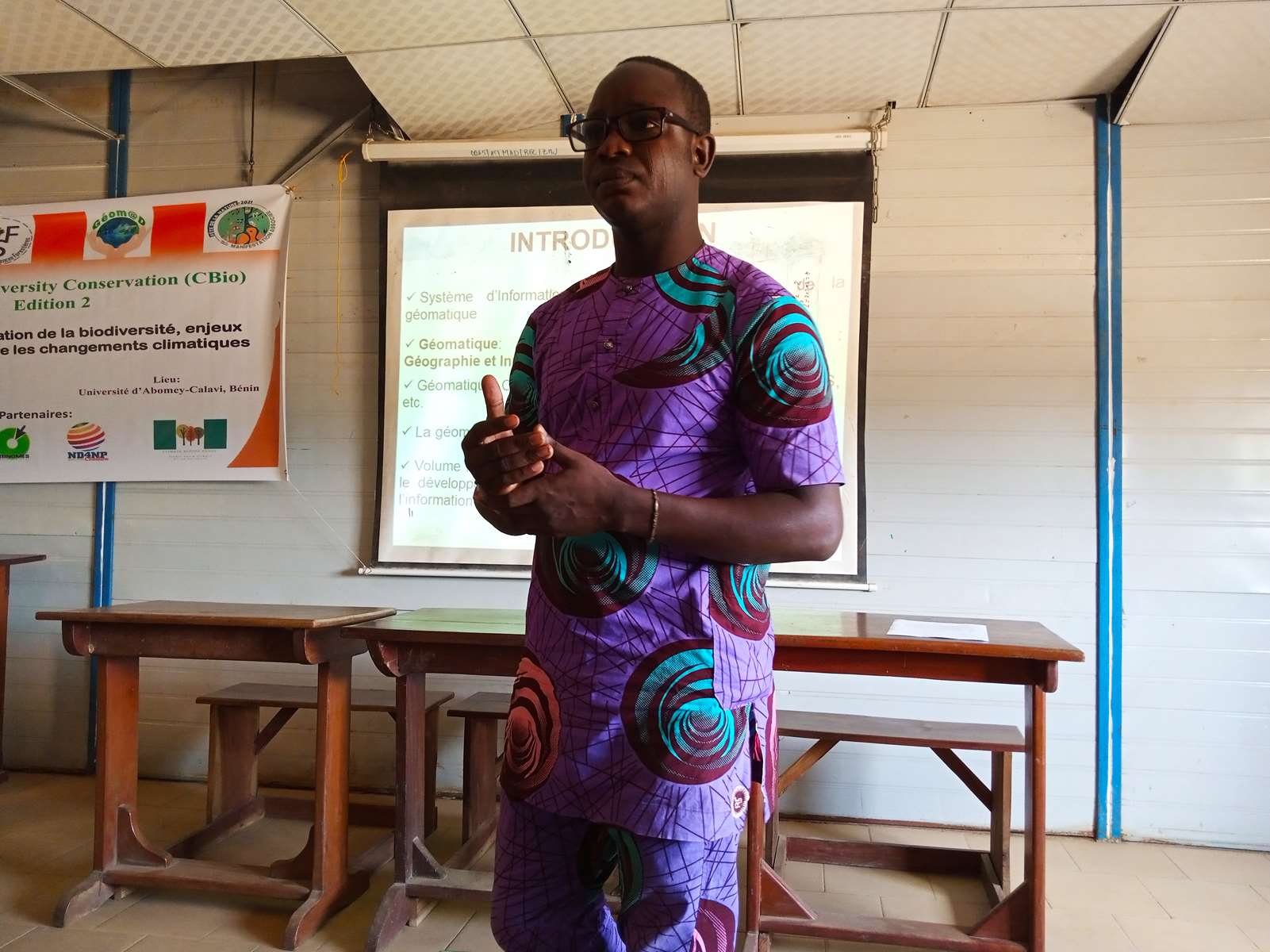
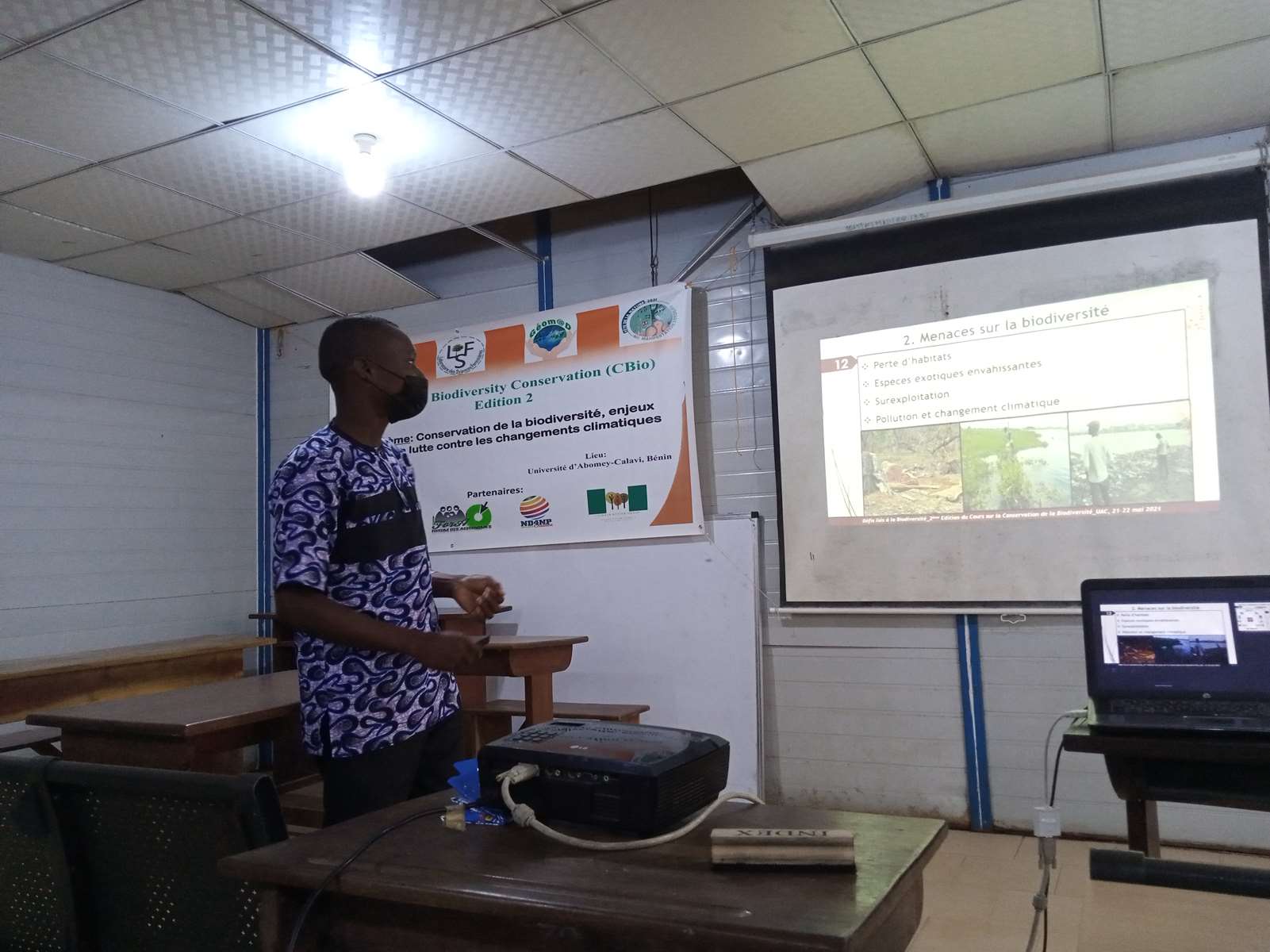
The first communication of this second day was presented by Dr. Innocent AHAMIDE on the challenges related to biodiversity. After describing the concept and components of biodiversity, the strengths addressed by Dr. are the services provided by biodiversity, the knowledge and monitoring of biodiversity, the challenges related to biodiversity, the threats to biodiversity (habitat loss, pollution and climate change) and finally on the conservation of biodiversity.
Biodiversity management tools: KoboCollect
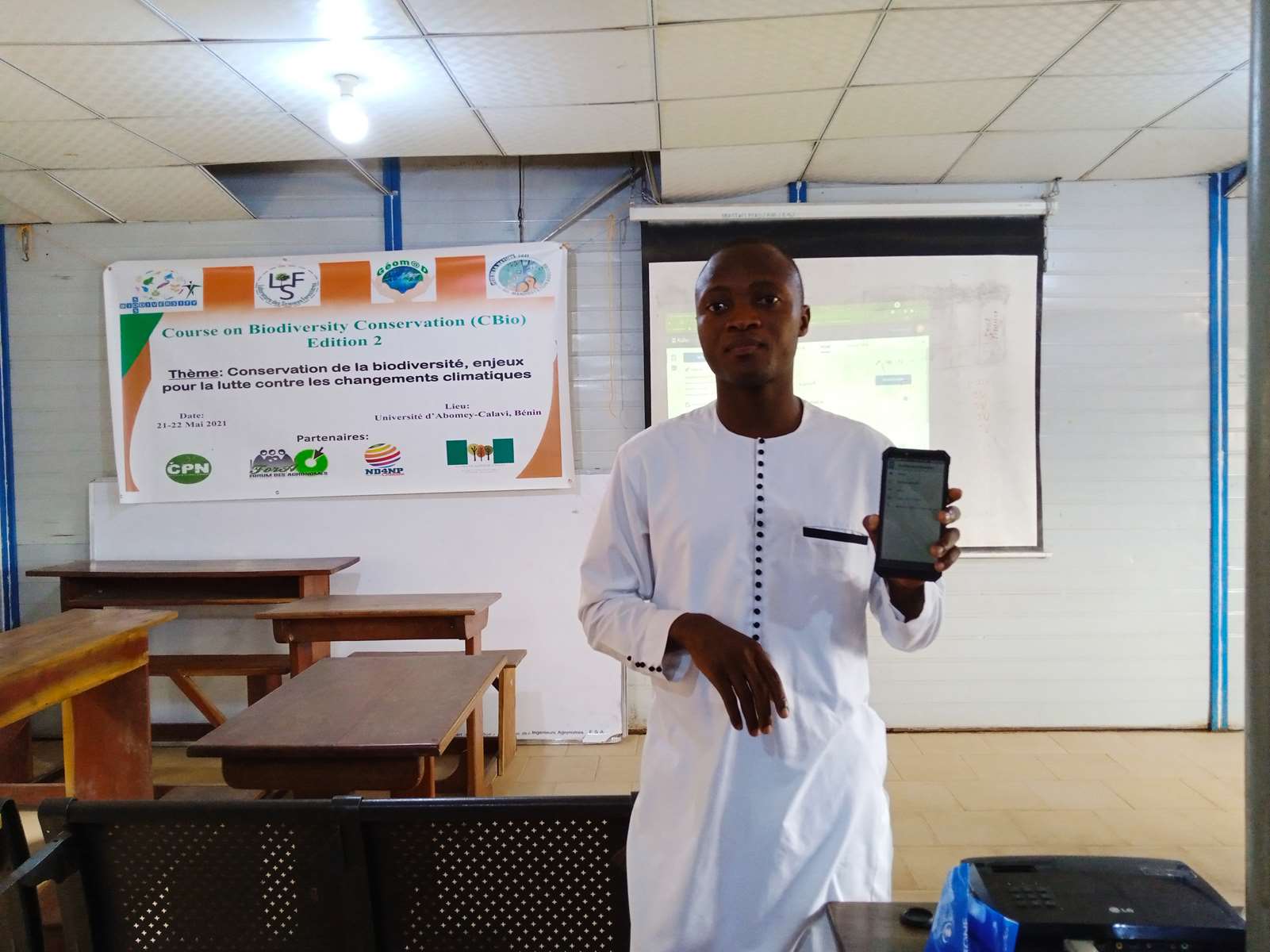
The second communication on the practical application of the KoboCollect tool for a forest inventory was made by Mr Sunday Berlioz KAKPO. During the said communication, the creation of the form, the deployment, the use of the form on an Android device, the download of the data collected were discussed.
Urban science: GBIF
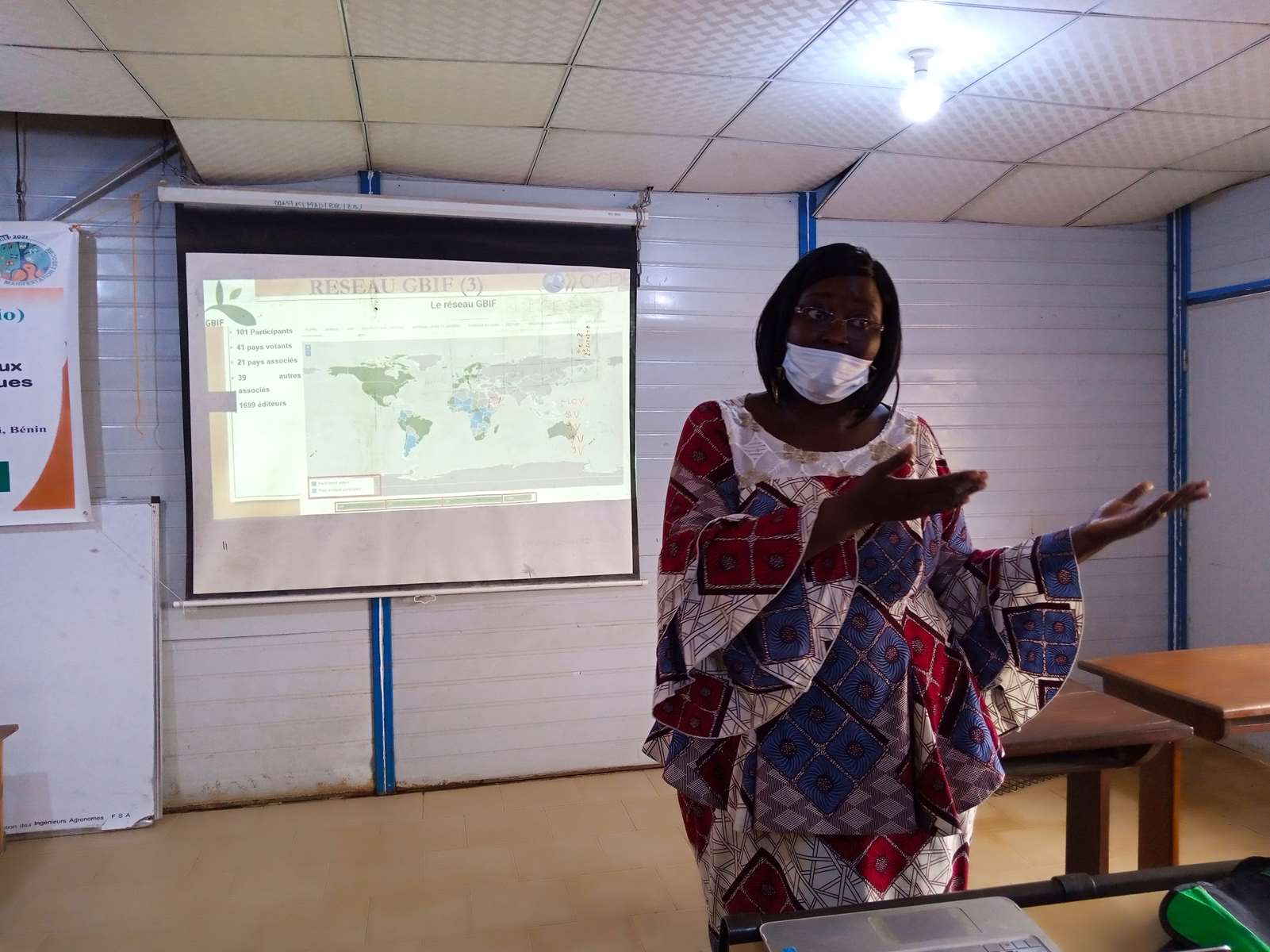
After the lunch break, the last communication on urban science and the importance of GBIF was presented by Dr. KOURA Kourouma. The GBIF (Global Biodiversity Information Facility) aims to facilitate free access to primary biodiversity data via the Internet to support scientific research, the conservation of natural resources and sustainable development. Founded as a consortium by the Organization for Economic Cooperation and Development (OECD) in 2001, the GBIF network includes 101 participants, 41 voting countries, 21 associated countries, 39 other associates, 39 other associates and 1699 publishers. GBIF-Benin is represented by a head of delegation, Professor Jean Cossi GANGLO.
Training content
1- QGIS application
- Georeferencing and tracking
- Transfer and visualization of recorded data
- Creating a vector layer and digitizing a map
- Map layout
2- Biodiversity challenges
3- Biodiversity management tools: KoboCollect
4- Urban science: GBIF